 Slovenčina
  English
 Christian Solidarity International president John Eibner shares impressions from visit to imprisoned Armenian archbishop
“The use of the coercive powers of the state to interfere in the internal affairs of churches and other faith communities is abhorrent to the American tradition of religious freedom,” Dr. John Eibner, the president of Christian Solidarity International (CSI), told a well-attended briefing on Capitol Hill on Thursday.
“CSI asks the Trump administration to show strength and conviction by defending the Armenian Apostolic Church against this persecution,” Eibner said.
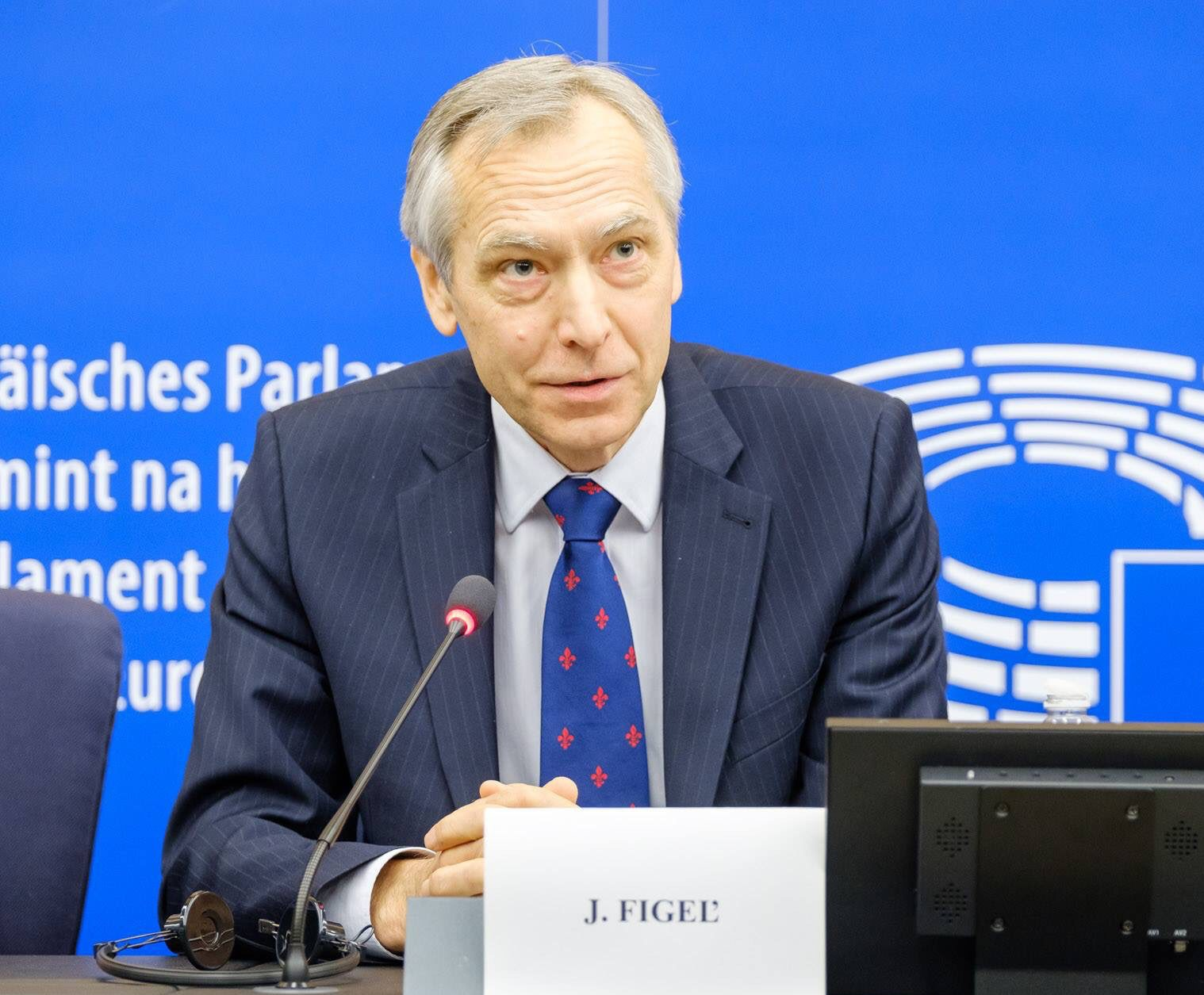
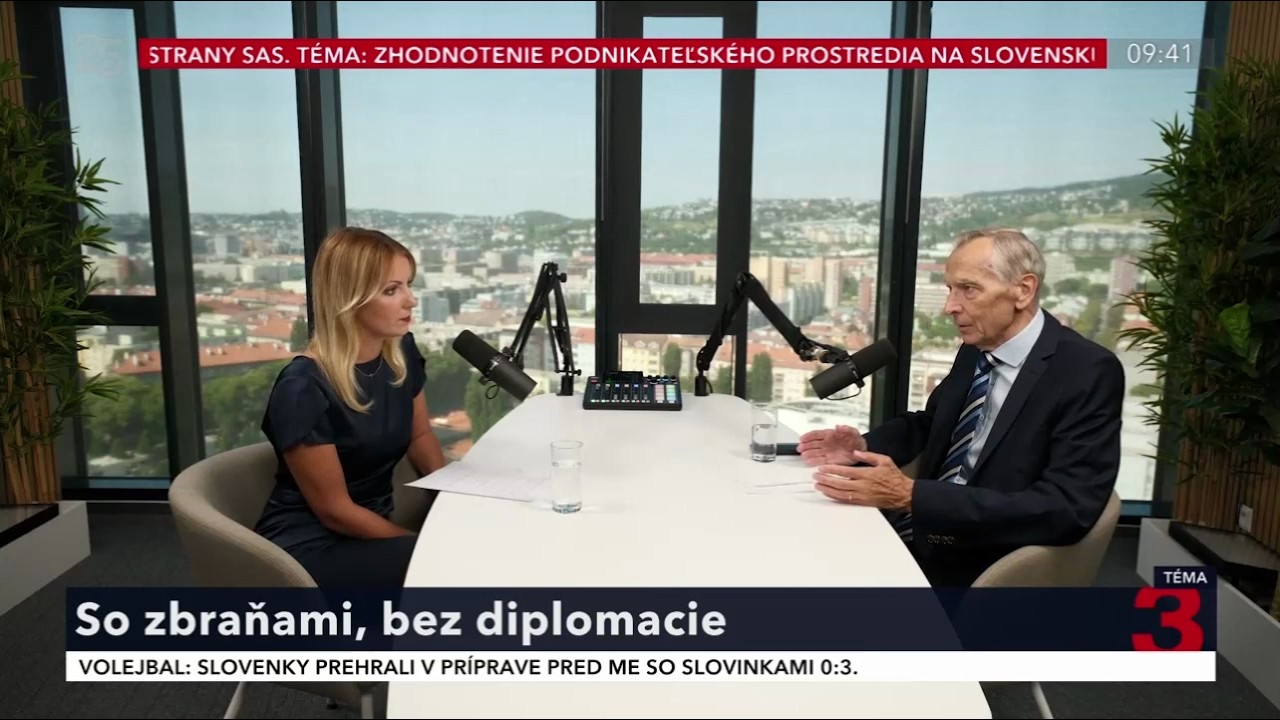
The briefing, which was held in the Rayburn House Office Building in Washington DC, featured presentations from Eibner, Ambassador Alberto Fernandez of MEMRI, and Jan Figel, the former EU Special Envoy for Freedom of Religion or Belief. A livestream of the event is available online.
Since May 2025, the Armenian Prime Minister, Nikol Pashinyan, has been demanding the removal of the head of the worldwide Armenian Apostolic Church, Catholicos Karekin II. Over the past nine months, Eibner noted, “more than a dozen prominent clerics…have been placed behind bars, consigned to house arrest, or indicted on a slew of unsubstantiated charges including terrorism, coup plotting, obstructing justice and planting drugs.”
According to Eibner, the persecution of the Armenian church is part of a bigger project to weaken Armenia’s Christian identity and subject it to the hegemony of its powerful Muslim neighbors, Turkey and Azerbaijan – the latter laying claim to Armenia as “Western Azerbaijan.”
If this project continues unchecked, Eibner said, “It is not only conceivable but is very likely that within a generation Armenian Christians will be a minority in Armenia, without political agency, living mainly in a diminishing Armenian quarter in Yerevan, much like one finds today in Aleppo or in Jerusalem.”
Eibner told the briefing attendees that he had been able to visit Archbishop Bagrat Galstanyan in prison in Yerevan in early February, thanks to “the great team of dedicated pro bono lawyers at the Armenian Center for Political Rights.”
Eibner said that he was able to bring a letter from the imprisoned archbishop to Vice President JD Vance, ahead of Vance’s visit to Armenia in February.
Unfortunately, Eibner said, Vance used his visit to endorse Pashinyan’s re-election campaign. Within days, Armenian authorities brought criminal charges against the Catholicos himself.
“Wittingly or unwittingly,” Eibner said, “Vance’s visit has effectively given the greenlight for the continuation of the persecution of the Armenian Apostolic Church.”
Ambassador Fernandez likened the Armenian government’s attack on the Armenian Apostolic Church to a (possibly apocryphal) statement from a U.S. commander during the Vietnam War: “It became necessary to destroy the village in order to save it.”
Fernandez, who had a long career in the U.S. diplomatic corps and currently serves as the vice president of the Middle East Media Research Institute, pointed out that Prime Minister Pashinyan’s attempt to seize control of the church resembles how authoritarian regimes in Russia, Turkey, and Azerbaijan deal with religious institutions.
Although Pashinyan is eager to portray his government as pro-Western, “they can’t have it both ways,” Fernandez said. “They want to be part of the liberal West, and imitate the religious standards of the Erdogan regime and Assad.”
“States that use the coercive power of government to bend one outside organization to their will, inevitably will also use the same coercive power against others,” Fernandez warned. “I don’t know any situation where a regime that persecutes religious bodies is open and accepting of criticism. Freedom of religion and freedom of speech and conscience go together.”
Figel, who hails from Slovakia, told the audience that he lived “half of his life under communism.” “What we see today in Armenia against the Armenian Apostolic Church is exactly what we saw in Czechoslovak communist oppression against free people and free churches,” he said, drawing a number of parallels between the tactics used in both cases. “
Armenia is the world’s oldest Christian nation,” Figel reminded his audience. “The role of the Armenian Apostolic Church was crucial for the survival of this nation. If they lose it, they will lose everything.”
But Figel recalled that in communist Czechoslovakia, the faithful church. “The victory belonged to faithful leaders and the faithful church.”
“The church, Christianity, and faith represented the most decisive opposition to the regime,” Figel said. “It takes time, but it will win.”
About CSI
Christian Solidarity International is an international human rights group campaigning for religious liberty and human dignity.
Podobné články
 Dialogue, values, and global challenges: an exclusive interview with Jan Figel
 Europe and the challenge of religious freedom
 Why Japan Should Guarantee Religious Liberty to the Unification Church/Family Federation
International Conference Urges Support for Religious Freedom and Human Rights
Why Japan Should Guarantee Religious Liberty to the Unification Church/Family Federation
International Conference Urges Support for Religious Freedom and Human Rights
 Ján Figeľ: ‘It’s a pity there is no EU religious freedom envoy anymore’
 Persecution of Religious Minorities in the Middle East urges EU to act