 English
  Slovenčina
 Ministerial meeting of the Alliance of Civilisations Group of Friends
Istanbul Forum, 6 April 2009
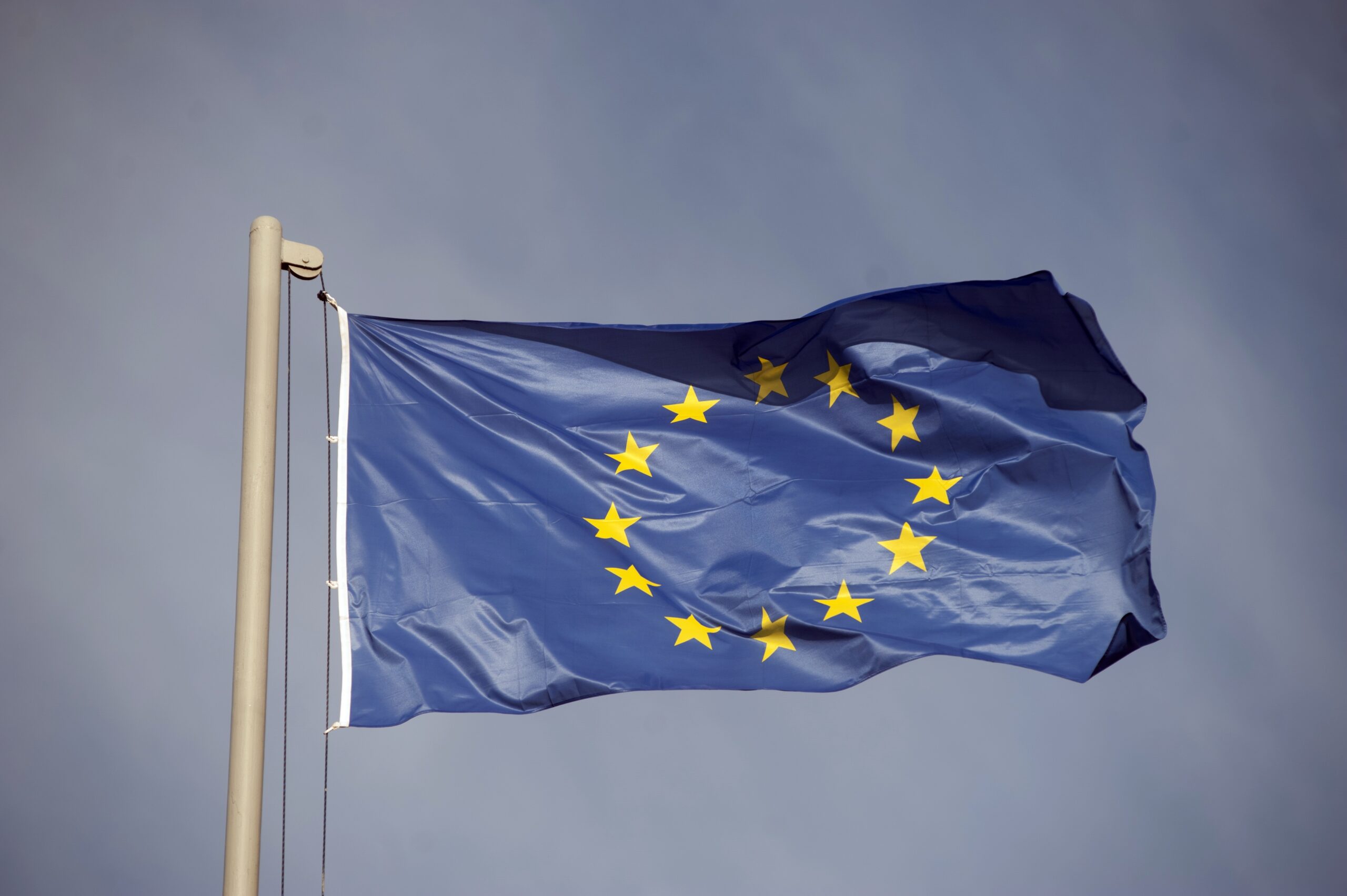
Based on the common commitment to the principles of democracy, respect for human rights and the rule of law, the European Union and the Alliance of Civilisations agreed last Autumn on a cooperation framework covering a number of areas: promotion of human rights and political reform; media and access to information; intercultural dialogue and cultural diversity, including exchanges and promotion of people-to-people contacts; immigration and integration; as well as prevention of polarisation and radicalisation. It is in this context that the two partners, along with the Anna Lindh Foundation for the Dialogue between Cultures, are launching at this Istanbul Forum a joint Rapid Reaction Media Mechanism for the Euro-Mediterranean region, to be applied in times of cultural tension and crises.
Rethinking Education as a critical key for fostering respect and understanding
Over the past fifty years Europe has thrived thanks to its diversity and to our unwavering commitment to dialogue. Europe’s leaders and institutions will always need to show their commitment to the emergence of a culture of dialogue and tolerance. Because freedoms, democracy, rule of law, that may be common in Europe, are not to be taken for granted. They are result of much sacrifice and struggle. They call for continuous civic engagement and responsibility. The achievements of the European project over the past half century prove that we can live together—and thrive—not in spite of our diversity, but because of it.
The latest tangible sign of this commitment was the European Year of Intercultural Dialogue 2008.
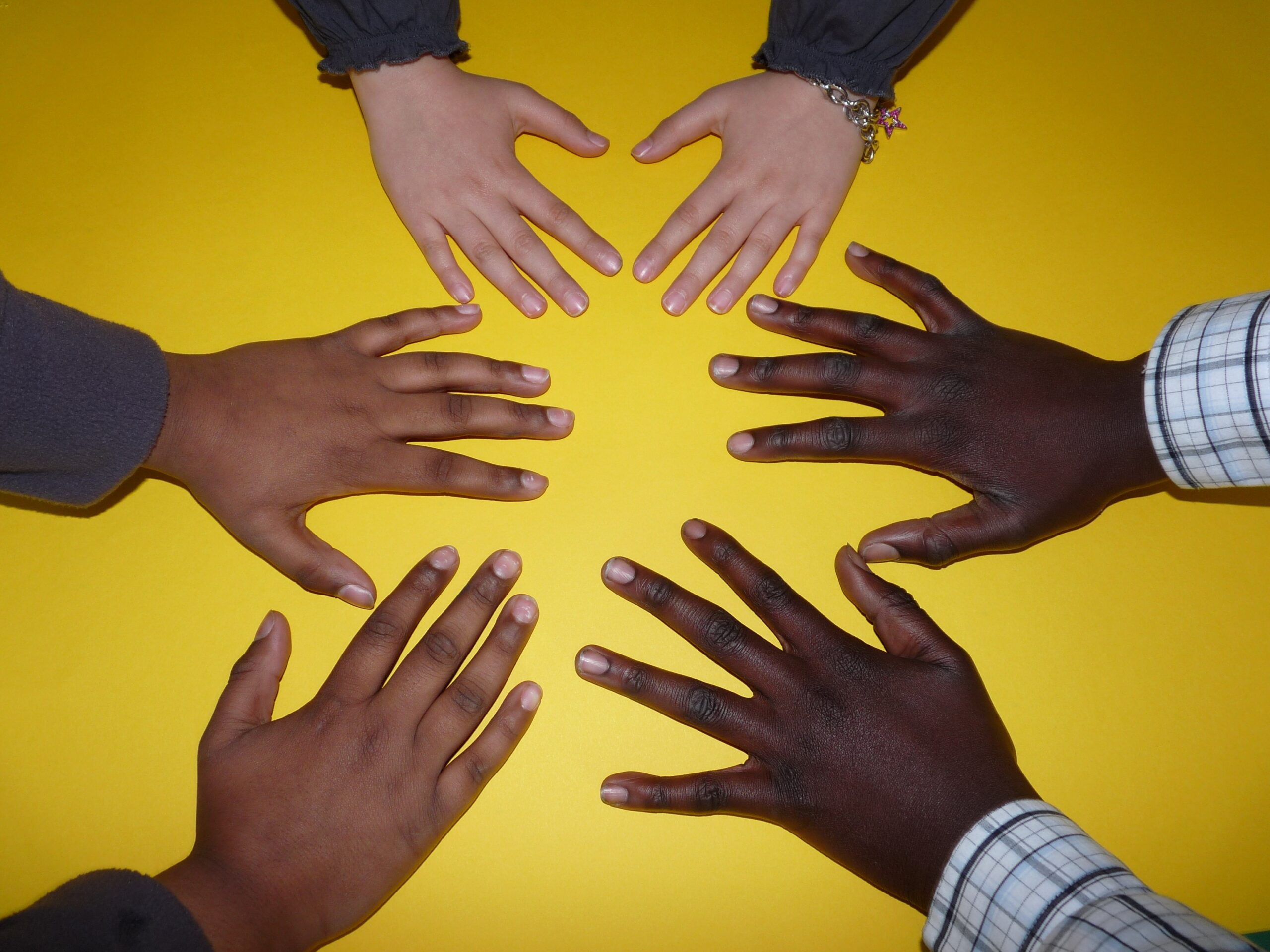
Europe does not have a better narrative for the 21st Century than unity in diversity. Both parts are important. One alone is not enough. There have been many attempts, quests for unity without respect for diversity, but also quests for diversity without unity, without cohesion – both positions do not work. Our challenge is to transcend the multicultural mode that was developed in our societies, where communities simply co-exist, next to each other in their own space and without interacting. What we need is a step towards an intercultural approach. “Inter” means a relationship between two or more in dialogue, in communication, in interest, in respect and of course means also to share responsibility. Once there is awareness both of difference and of belonging to society, then the natural consequence is shared responsibility, to solve problems and to build better prospects. This needs determination and commitment. One of the indispensable contributions in order to live together, not only to exist together in diversity, is education. Education unites! Through education we can learn to combine identity and openness, traditions and modernity. Thus intercultural education, including developing the ability to deal with diversity of traditions and religions, has a fundamental role in promoting active citizenship. The fundamental role of education is very clear. Education is about the fulfilment of personality. We are born as persons but we become personalities, hopefully. We are born as human beings but we become citizens. And on the road towards mature citizenship, and a mature personality, there is a need for education, learning and training. Access to and quality of education should be clear objectives of our co-operation. Jan Amos Komenský said that school should be a workshop of humanity. It means not only preparation for a job, but for the role of being a fully developed human being.
Intercultural skills and competences, knowledge and ability in relation to diversity are basic needs in diverse societies, and the more education we provide in this field, the better we equip our young people for personal responsibility. Such education also enriches our understanding of self. It was Paul Ricœur, the French philosopher and theologian, who said: “La chemin le plus court de moi à moi, c’est l’autre”. We find our own understanding of self through relationships and in dialogue with others. So, we ask what the differences are and what are the commonalities?
The world and Europe are changing – creating new opportunities and new challenges. In this changing environment young people are more equipped with energy and enthusiasm for the future, but also many of them are marginalized. Many of them are simply more vulnerable because of realities like unemployment, which is for youth twice as high as the overall unemployment rates. We have in the EU of today close to 15% early drop outs from school. That is close to six million young people who leave school early. You can imagine, for six million annually, what that means in terms of further consequences in life, further problems in their individual or family or community lives. Moreover, close to 20% of 15-year olds achieve very low results in reading literacy. Yet this is one of the first competencies required to participate further in education and lifelong learning. These are exclamation marks for our education and training systems.
There are many young people with few opportunities, who are socially marginalized. There are many causes of exclusion: poverty, difficult family context, physical and mental health problems, disabilities, life in disadvantaged urban or rural areas, ethnic background, etc.
What is the EU response? We need to focus on youth and relate policies to young people. One of the contributions is to get cultural aspects more into the domain of cooperation. What we need is more intercultural respect, dialogue, skills and competencies taught in schools so that young people are better prepared to live in diverse communities.
Ignorance breeds intolerance, and then we face further problems. We need to achieve a long-term strategy, a long-term orientation towards an intercultural approach. An important dimension of that strategy involves support for mobility. Mobility becomes a part of the preparation for career, for social inclusion and for European integration. Just last year we supported more than 300 000 young students and trainees and more than 110 000 teachers participating in mobility programmes like Lifelong Learning, Tempus and Comenius.
On education policy, the Commission has in recent years put forward several very important proposals leading, for example, to a common position by the 27 EU Ministers of Education on equity and efficiency in our education and training systems: not as a kind of contradiction or trade-off but as a dual objective. Efficiency and equity are very important because we have to look both at how we spend money and also how we ensure access for all. A dual objective, because if only one is promoted, it leads to egalitarian results or if only the quality is followed, it leads rather to an elitist approach. Both, access for all and quality in education, as a shared objective are needed! The 27 have also adopted and approved key competencies for lifelong learning. These start with mother tongue literacy, knowledge of foreign languages, MSTs (mathematics, science, and technology) and digital literacy (to be able to use new technologies and not excluding from modern, fast communication). Of course, to command technology is not enough. It was Martin Heidegger who said “Technology has overcome all distances but didn’t bring any closeness”.
For closeness we need other skills, such as learning to learn, initiative-taking, interpersonal, societal and social, intercultural competencies. These should become part of further curricular reforms in our schools and especially in relation to migrants’ children.
School is a key place for integrating young people. Last year I proposed a communication on improving competencies for 21st century, an agenda for European cooperation on schools. It should lead to a more central role, recognition and support for schools in our societies because the value of schools is much higher than usually recognised.
We should promote youth policies together with young people. Not for them only, but with them. This is a realistic and mature condition for implementation. In European policies the youth aspects are getting a higher profile. It is not a total and definite answer, but it is a beginning of a more coherent approach. We need to see youth policy as a space of responsibility for many actors.
The European Commission would like to offer brief comments on two of the other topics the High Representative put on the agenda of this brainstorming meeting of the Group of Friends.
Addressing extremism and radicalisation
Violence carried out by small cells of radical militants often manages to catch the attention of public opinion. They claim to act in the name of a certain religion, but in the end their motivation is not religious but political. We need to keep in mind that the large majority of religious people remain in fact committed to peace and discreetly contribute, at grassroots’ level, for the common good of their local communities.
The European Union is actively involved in addressing factors which can be conducive to radicalisation into violence. The priorities of its strategy are to disrupt the activities of networks and individuals who draw people into terrorism; to ensure that voices of mainstream opinion prevail over those of extremism and to promote – yet more vigorously – security, justice, democracy and opportunity for all.
The European Commission has invested time and resources in examining the radicalisation process, its trends, manifestations and dynamics in Europe. In particular, it has funded four comparative studies on the following issues which, although they focus on the internal situation of the EU, may also be of wider interest: factors that may trigger or affect violent radicalisation processes, particularly among youth; beliefs, ideologies and narrative of violent radicals; methods through which violent radicals mobilise support for terrorism and find new recruits; best practices which can be identified in the way how government authorities and civil society cooperate to address violent radicalisation.
Moreover, the EU pursues wide-reaching policies to fight discrimination and xenophobia, promote integration and social cohesion which are also believed to have a positive “spill-over” effect on preventing radicalisation into violence.
Fostering civil society in building inclusive societies
The European Commission firmly believes that civil society has an essential role to play in promoting intercultural understanding and building bridges between communities and people. This fundamental principle guides its many actions and policies, both at internal level and in its relations with its partners. For instance, further to a Commission proposal, 2008 was declared European Year of Intercultural Dialogue, precisely with the purpose of encouraging the mobilisation of civil society at European, national and local level.
2008 was also the “Euro-Mediterranean Year of Dialogue between Cultures”, celebrated in particular with an ambitious project entitled “1001 actions for dialogue” by the Anna Lindh Foundation for the Dialogue between Cultures, an independent organisation shared and resourced by the forty-three countries of the Euro-Mediterranean Partnership. The main aim of the campaign was, in this case as well, to mobilize civil society groups across the region to unite in a collective action for dialogue and to engage the wider public and opinion-makers on the importance of intercultural dialogue in challenging conflict and discrimination in the region. More generally, the Anna Lindh Foundation works through national networks in the Euromed partner countries, in which civil society plays a key role. Indeed the networks are made up of public institutions, local authorities, but also hundreds of non-governmental organisations, universities, associations, non-profit foundations and private companies, spanning a wide range of fields: cultural and artistic activities, youth and education, democracy and community development, human rights, migration issues, sustainable development, gender, heritage, media and religion.
Moreover, the Euromed Non-Governmental Platform was established in February 2003 as an inclusive and open-ended group of active civil society networks and organizations, with the purpose, inter alia, of strengthening the role of civil society in the Euromed Partnership and establishing a permanent interface between actors from Euromed civil society and the public authorities. The Platform gathers regional, sub-regional, national and local networks and organisations from the Euromed region, representing a diverse range of civil society interests. It is the main organiser of the Civil Society Fora held prior the Euromed Foreign Affairs meetings. The European Commission is supporting the Platform’s activities.
In conclusion, it should be stressed that open societies are central to an effective intercultural dialogue. The multitude of activities are undertaken at the national, regional, cross-regional and international level, including by this Alliance, can fully achieve their objective only when there is effective freedom of expression and information.
The Group of Friends of the Alliance of Civilisations has been steadily growing as there are widespread expectations about the special role it can play in fostering intercultural understanding. To be true to this calling, the Alliance of Civilisations must have the courage to address some of the issues that divide its Friends, to serve as a platform for more informed and dispassionate discussions. Only frank dialogues can ultimately “win minds and hearts”.
Related posts:
 Integration of adolescents with a migration background into European society
 European Values in the light of the EYICD 2008
 Youth policies in Europe and beyond
 EPP-ED Hearing on Cultural Diversity, Religions and Dialogue
 Education: the Key to Europe’s Future
 Cultural Diversity in the EU: A Legacy from the Past, an Asset for the Future