 English
  Slovenčina
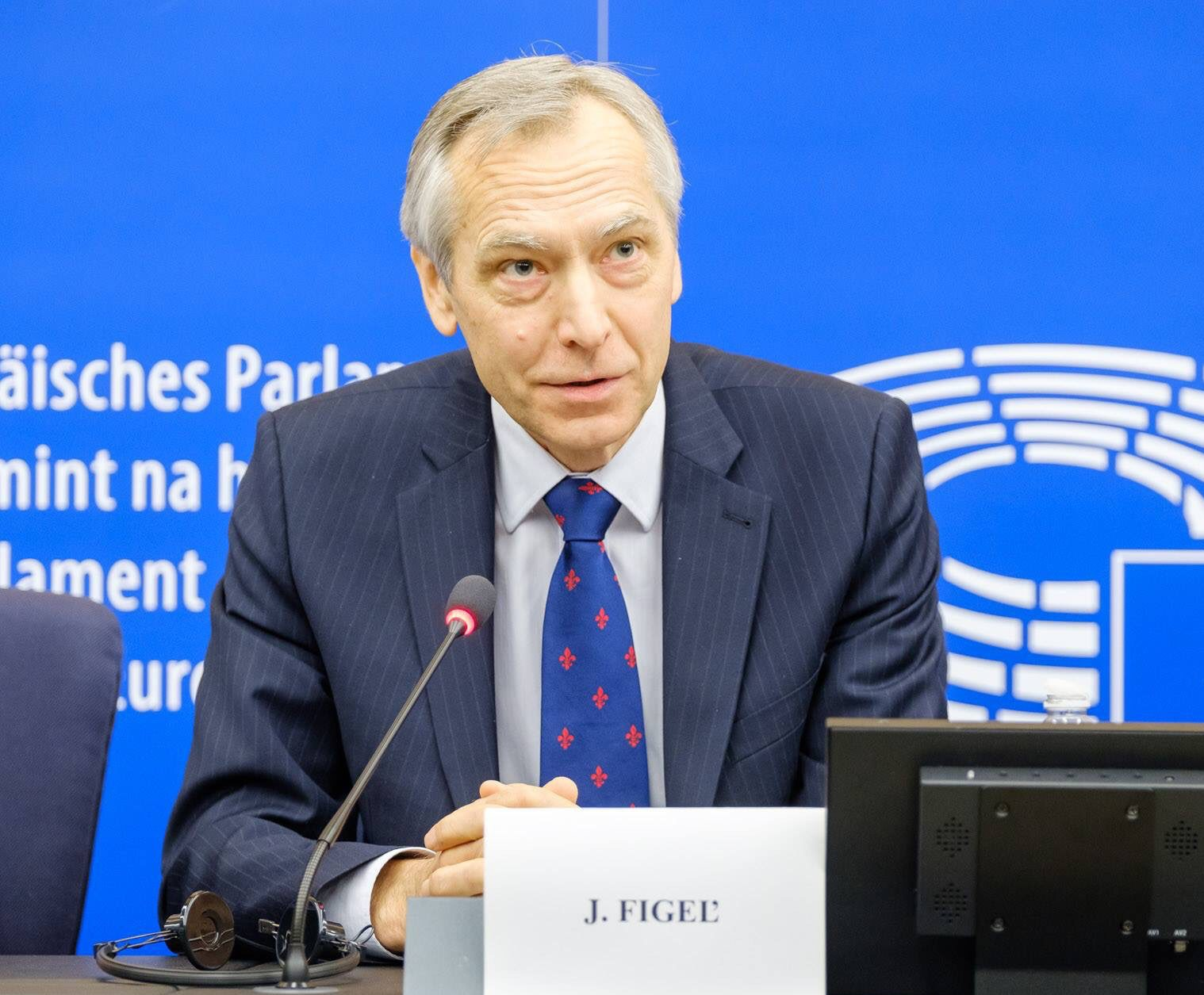
 Ján Figel’—Commissioner for Education, Training, Culture, and Youth
Is there a place for cultural heritage in Europe?
European Heritage Heads Forum
Bratislava, 28 May 2009
Dear President,
Ladies and Gentlemen,
The present stage of Europe’s process of integration has a paradoxical side. The EU has become home to close to half a billion people; its GDP ranks first in the world; but some lament that we do not move as a superpower on the international scene.
But there is no doubt that we are a superpower of diversity and of cultural wealth. Europe is brimming with cultural heritage—both tangible and intangible. So it’s very clear to me that if you ask whether there is a place for cultural heritage in Europe, the answer can only be a resounding ‘yes’. It is our responsibility to preserve our heritage for future generations and to make it accessible to as many people as possible, from both Europe and the rest of the world.
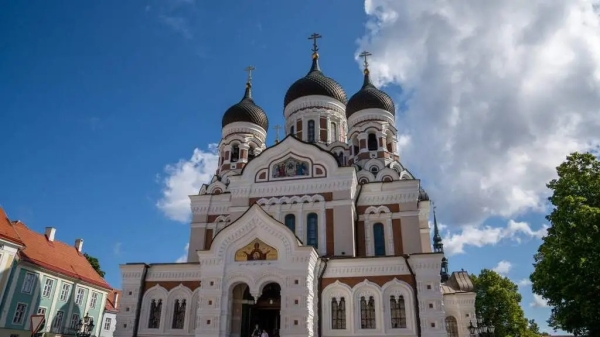
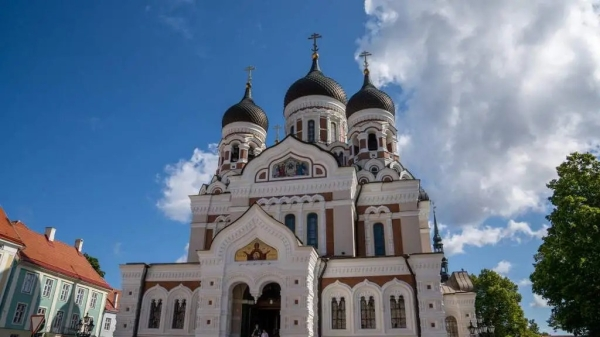
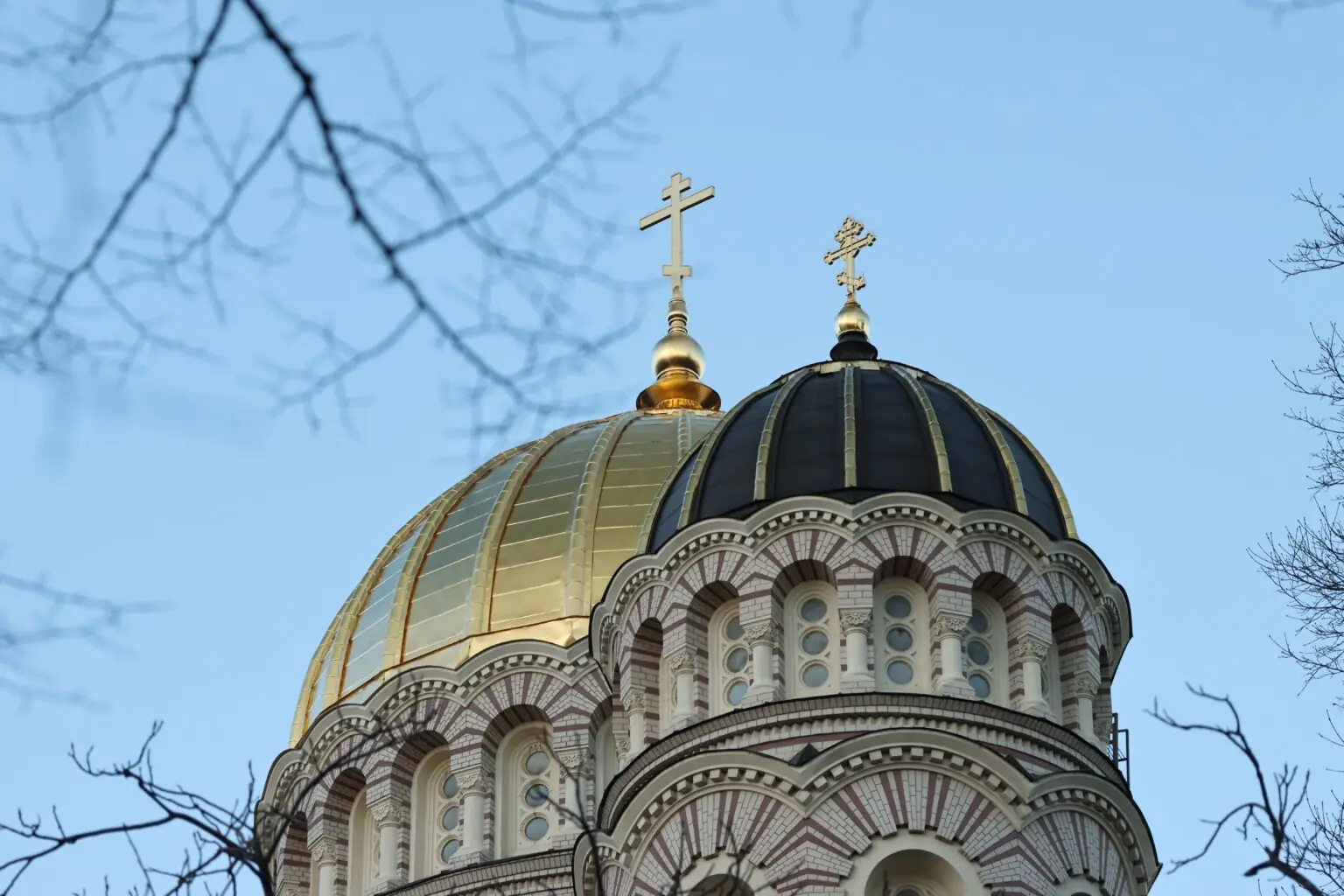
You know that a Renaissance fresco or a Medieval church can generate income and help sustain a whole community. And the same community can look at the church and say: “that is our church”. And I believe that this is really very important for the identity of the city, region or country. And at the same time it is also important preserved cultural heritage attracts businesses to bring tourists. Public authorities should keep these things in mind as they design their policies.
Cultural heritage helps Europeans feel that they belong to local, national and European communities.
Ladies and Gentlemen:
Today I’ll focus on what the EU can do to assist national and local authorities and complement their action.
As you all know, we have a support role in this area, but it is an important one; because we make the exchange of best practices easier and stimulate cooperation and mobility. The European Commission has been working for a co–ordinated strategy for Europe’s cultural policies for a long time and our current action takes place in the framework of the European Agenda for Culture of 2007.
Among other things, our Agenda for Culture urges the authorities responsible to promote access to culture, and in particular to do so also through the promotion of cultural heritage. One of the positive effects of the European Agenda for Culture is the creation— almost exactly a year ago—of working groups composed of national experts.
Promoting cultural heritage—including intangible heritage—is one of the issues these groups deal with. The objective is setting up multilateral projects to support cultural tourism. And we know the potential of cultural heritage for the regeneration of rural and urban areas and for social inclusion. The working method these groups have adopted is called ‘open method of coordination’; a system that has already strengthened cooperation in areas that can have a direct impact on local and regional development.
Ladies and Gentlemen:
Let me turn now to culture and its links with the socio–economic development of our regions and cities. I would like to give you some concrete examples of what we can do at European level.
Since 2002, the European Commission—in cooperation with Europa Nostra—grants the yearly European Union Prize for Cultural Heritage. The awards bring to the limelight excellent cultural–heritage projects from all over the EU. For this year’s edition, we have received 138 projects from 24 countries and the juries selected 28 of them from 15 countries.
Many of the projects that have been pre–selected illustrate the close links between heritage and urban regeneration. These projects show that the secret of good planning is finding the right balance between preservation of cultural heritage and exploitation of its potential. As I said, investing in culture and in cultural heritage can be an ideal catalyst for economic development.
More specifically, heritage can contribute to growth and employment at local level. And this has not to do just with cultural tourism. A famous site, an old city centre, a bustling cultural life can put your city on the map. I believe that, by valorising cultural heritage, a region can become a magnet for exactly the people and businesses that drive growth in today’s knowledge economy.
The people who tend to be attracted by a culturally remarkable area are likely to be younger, highly educated, and creative. And the businesses that tend to be attracted to a culturally remarkable area are likely to be in the creative industries. The success of our programme of European Capitals of Culture is proof of that. I don’t need to tell you that co–operating in turning a district into a magnet for creative industries would be an interesting prospect for those who—like you—are responsible for cultural heritage.
Cultural heritage is also a tool for social and territorial cohesion. Here the challenges are to find a new balance between tradition and innovation; to promote intercultural and intergenerational dialogue and to promote the integration of minority and migrant communities in a truly multicultural society. We need to teach one from the other. Intercultural dialogue enriches us mutually.
In September last year the European Commission and the Council of Europe once again worked together to organise the European Heritage Days, a joint action that started in 1991. The European Heritage Days are really successful: more than 25 million Europeans voted with their feet by visiting the sites and buildings participating in the events. In last year’s edition, the first European Heritage Forum took place. The Forum looked at the links between heritage and intercultural dialogue.
One of the main conclusions of the Forum was that heritage organisations needed to look at ways to involve all levels of society in the protection and the upkeep of its heritage. In addition, the Forum stressed that culture and cultural heritage can help establish a viable connection between creativity and innovation not only in economic, but, more importantly, in social terms.
Ladies and Gentlemen:
So far I have given you examples of what the EU can do to co–ordinate cultural–heritage work that is carried out at national level and of our joint actions with partner organisations.
However, culture and cultural heritage are also supported directly by a wide array of Community programmes. One of the best examples is EU cohesion policy, in which regional and local strategies have integrated actions in support of culture. For the period that stretches from 2007 to 2013, approximately 2,6 billion Euros are foreseen for the protection and preservation of cultural heritage; another 1,8 billion Euros would go to the development of cultural infrastructure; and approximately 600 million for the improvement of cultural services.
But the natural place for cultural heritage among the policies of the European Commission is our Culture programme. In 2008 the programme co–funded 264 projects selected from 819 applications. The interesting news is that about 55 of these projects were related to cultural heritage. Apart from direct support of worthy projects, the Culture programme also aims to raise awareness of our cultural wealth among Europeans.
The European Capitals of Culture is perhaps our best known awareness–raising initiative. This year, Linz and Vilnius are the European capitals of culture and many heritage projects have been developed for the occasion in the two cities. As so often happens to the cities that have been designated as European capitals of culture and to their regions, I hope that some of these projects will take off to become permanent and self–sustaining.
Before I close, I would like to say a word about the European Heritage Label initiative. I would like share my views on the possibility of turning the initiative into an official action of the EU. I believe that this is a good idea and that the labels are a positive response to a real need. I also understand that many heritage organisations have welcomed the initiative.
I have no doubt that the label will promote a feeling of belonging to a shared European identity and a common cultural space among the citizens of the Union. Since its launch in 2007 on the initiative of various European countries, 60 sites in 18 countries have obtained the label. I am happy to get know that you are going to visit the Castle Červaný kameň tonight to decorate it with the European Heritage Label. This is already a third label in Slovakia besides the roman chapel in Kopčany and the tumulus of our big European Milan Rastislav Štefánik in Brezová pod Bradlom.
Late last year, the Commission was invited to transform the initiative into a community instrument. I welcomed the invitation because I believe that the change would make the label more visible and more effective. To give you the state of play in some detail, we have launched an impact assessment which has included a public consultation. We wanted to see what stakeholders think of a direct involvement of the EU and what we can add to the existing scheme. The online consultation closed two weeks ago. When we have analysed the results, we will share them with experts and civil–society organisations in Brussels next month.
Ladies and Gentlemen:
Your original question, the issue you put on the table today, was whether there was a place for cultural heritage in Europe. I hope that I have showed to you that the EU takes cultural heritage seriously and is putting a lot of effort into its support.
At the beginning of my address I spoke of the two reasons why cultural heritage is important; because it is good for business and because it helps to generate a sense of belonging to a community. I concluded that public policies should reflect those reasons. Now, I would like to close with a thought inspired by the effects the recession is having on culture and cultural heritage.
Culture is feeling the impact of the crisis just like any other economic sector. But we need to resist the temptation of having culture pay a disproportionate burden. We need to resist the temptation that expenditure on culture is non–critical and can be cut to save for other, more pressing needs. This would simply be a bad choice.
I am calling on local, regional and national authorities—which are often directly responsible for heritage—to adopt a balanced strategy. The risk here is that this crisis can make us all short–sighted. Of course, we need to look at the short term and find extra resources for these uncertain times; but we must also look farther. When this crisis is over, our people will not want to see our cultural heritage neglected and in bad repair.
Even more importantly, I believe cultural heritage will help us go through this crisis. I am convinced that a well preserved and accessible Medieval church is part of what Europeans need to come closer together, roll up their sleeves, and put in an extra effort to weather the storm.
Thank you.