 English
 Slovenčina
Common Action in a Fractured World: Reflections on the Article 18 Alliance Conference in Prague
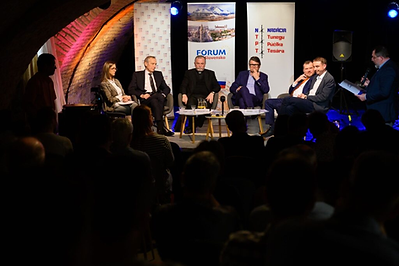
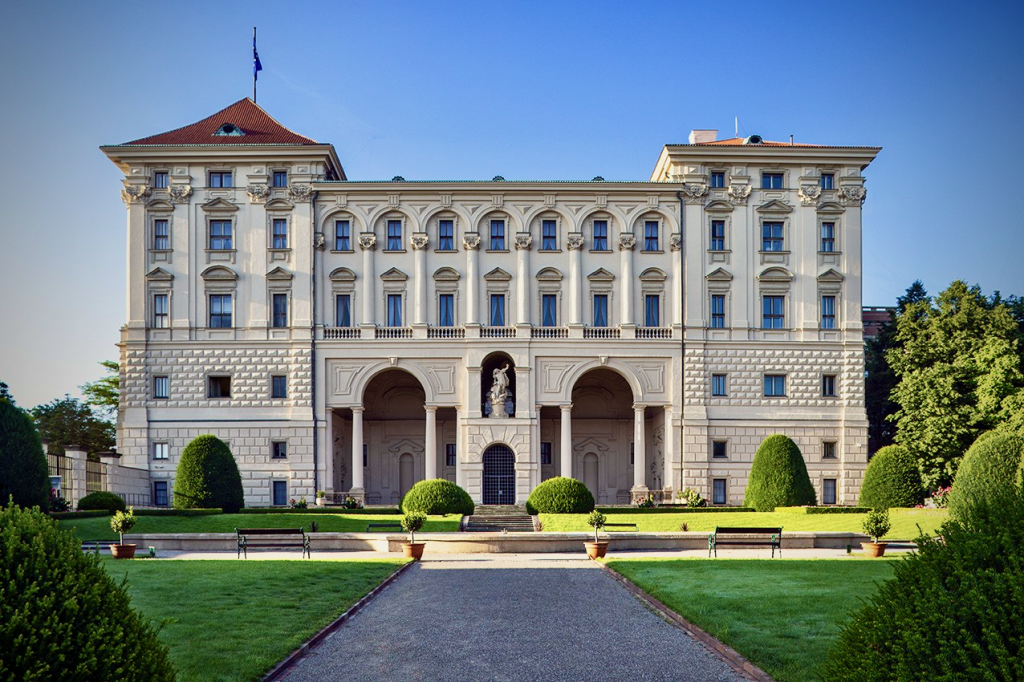
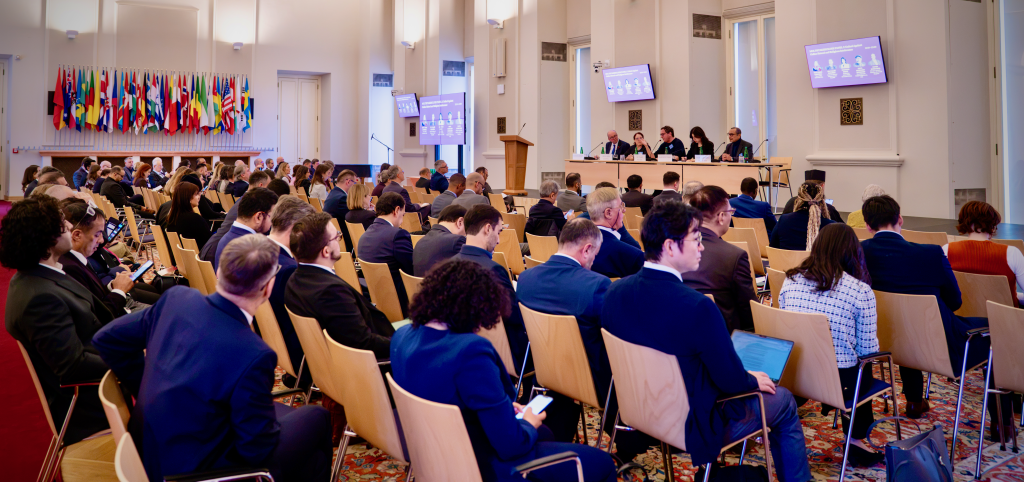
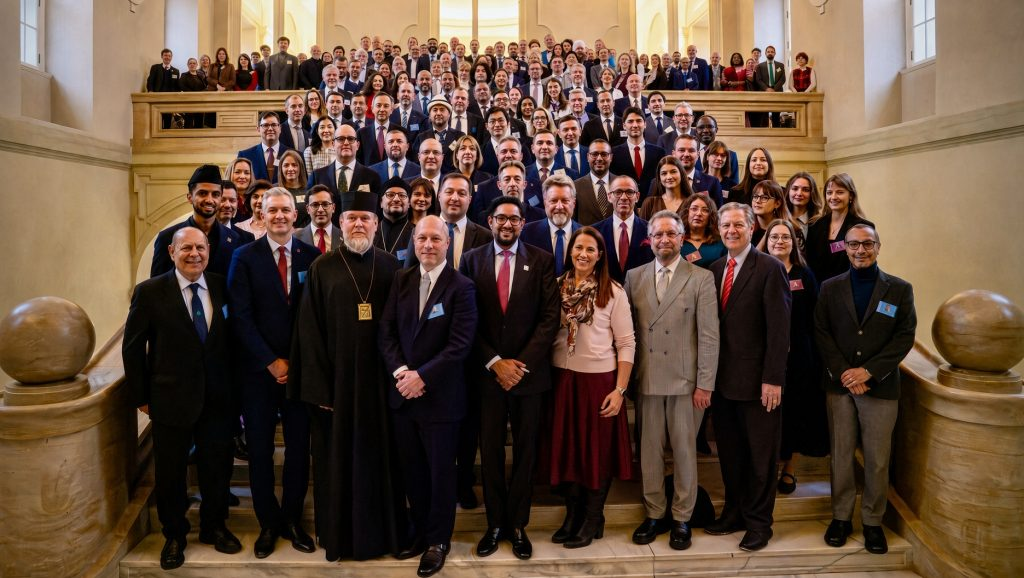
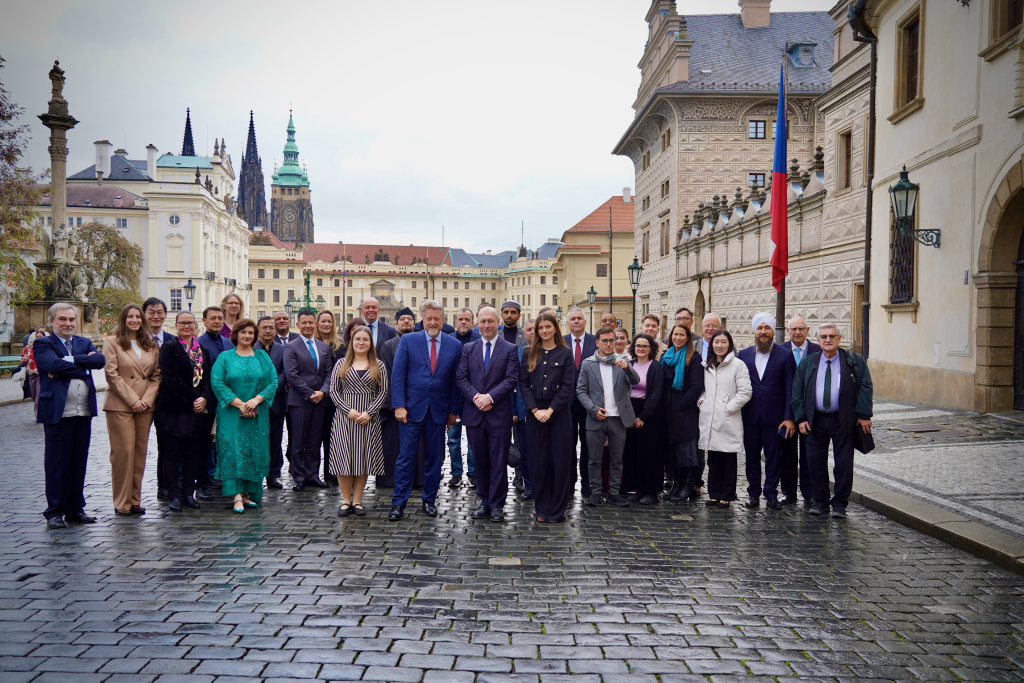
Prague in mid-November carries its own gravity. The city has seen empires rise and fall, ideological experiments collapse, and generations of people quietly determined to keep freedom alive. On 11 November 2026, that history gave added weight to the gathering. Inside the Czernin Palace, home of the Czech Ministry of Foreign Affairs, the High-Level Conference of the Article 18 Alliance convened under the title “Common Action in a Fractured World: Strengthening Resilience and Cohesion within and across Communities.” Roughly 250 participants from 64 countries gathered — diplomats, experts, faith leaders, and civil-society advocates—to examine how freedom of religion or belief (FoRB) can help communities build resilience and prevent violations before they occur.
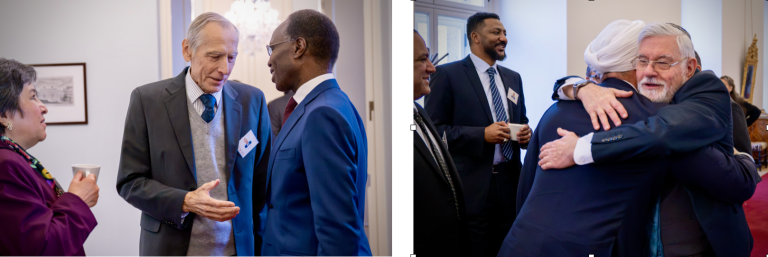
With many ministers absent, the organizers changed the designation from ministerial to high-level in the final days. That absence was noticeable. More striking still was the limited presence of government representatives from the Alliance’s own member states — approximately 36 to 38 countries. While embassies and a number of ambassadors were present, the Alliance’s own governments had a more limited presence than the “high-level” designation might suggest. Most of the participants in the room were NGO representatives, scholars, faith leaders, and practitioners. Their presence gave the discussions a strong civil-society character and highlighted the recurring gap between formal membership in the Alliance and active participation by its governments.
Remembering Those Who Cannot Speak
One of the most affecting features of the conference was a simple, repeated gesture. At the start of each session, a photograph of a person or group who had suffered religious persecution appeared on screen, along with a name and country. The dedications represented different faith traditions. The moderator then dedicated the session to those pictured.
In one session the screen showed a young woman from Nigeria; the dedication was brief: “This session is dedicated to Deborah, who was killed for her faith.” In another, an elderly man from China appeared: “We dedicate these discussions to those who remain imprisoned for the simple act of gathering to pray.” A third session opened with a family from Syria: “This panel is offered in memory of those whose places of worship were reduced to rubble, and who still seek the freedom to believe.” These brief, unadorned tributes cut through the institutional language and brought the discussion back to the people affected. In a conference heavy with policy frameworks and diplomatic formulations, the dedications reminded participants that when these rights are violated, the costs fall on individuals and communities often absent from such discussions.
From Reactive Advocacy to Coordinated Partnership
The Article 18 Alliance—formally the International Religious Freedom or Belief Alliance (IRFBA)—was launched in Washington in February 2020 with 27 founding members. Its launch was led by then-U.S. Ambassador-at-Large for International Religious Freedom Sam Brownback, working with Secretary of State Mike Pompeo and a network of like-minded governments. Brownback had long argued that religious persecution affecting more than 80 percent of the world’s population required more than isolated diplomatic interventions or civil-society reports. As he put it at the time of the Alliance’s formation, the goal was to call like-minded nations together “to push on the issue of religious freedom and against religious persecution around the world” and “to see the iron curtain on religious persecution come down.” He described the effort as “the most significant new human rights initiative in a generation.”
Brownback has consistently stressed that the right belongs to everyone. “Religious freedom really, truly is for everyone. It’s a right given by God and it’s a beautiful part of our human dignity.” He has also linked its protection to the protection of other rights. “When you’re willing to protect a person’s religious freedom, you generally are willing to protect the rest of their rights. If you’re willing to persecute a person for their religious beliefs, you’re generally willing to persecute on a number of other rights.”
The Alliance was designed as a voluntary network of states committed to advancing FoRB for all—believers and non-believers alike—grounded in Article 18 of the Universal Declaration of Human Rights and the corresponding provisions of the International Covenant on Civil and Political Rights. Its Declaration of Principles commits members to condemn violence and incitement, challenge blasphemy laws, and advocate for those imprisoned. It also calls on members to improve understanding of FoRB, support interfaith and intercultural dialogue, engage civil society and religious leaders, and invest in projects that help communities build resilience. Over time the network has grown to 38 member states, with additional friends and observers. Brownback remains a frequent and forceful participant; his presence in Prague underscored continuity between the Alliance’s founding vision and its current work.
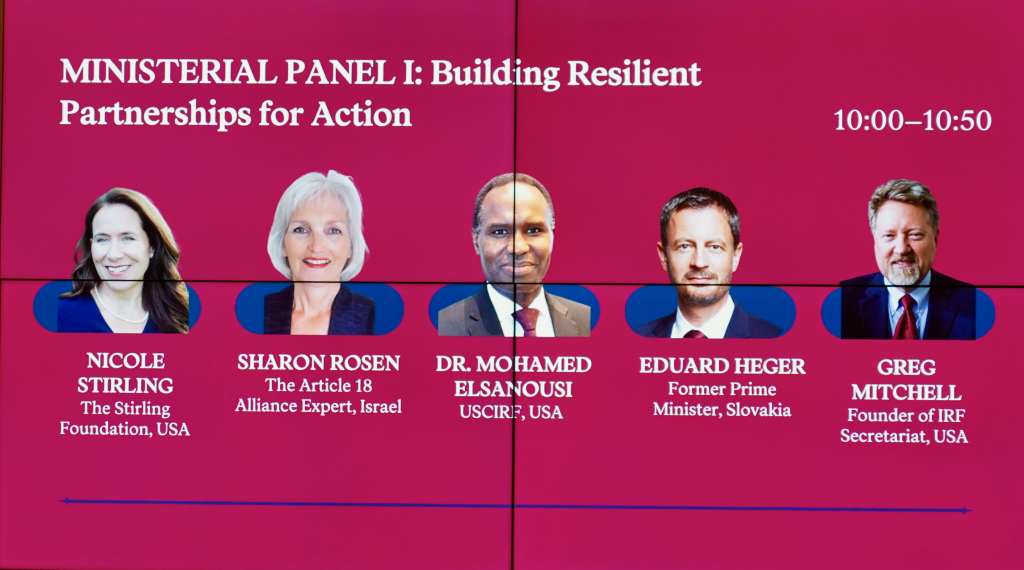
The Alliance’s work is part of a wider international effort. The annual International Religious Freedom Summit in Washington has become the primary multi-stakeholder gathering. Alongside the summit, the International Religious Freedom Roundtable, convened by the IRF Secretariat under the leadership of its founder and CEO Greg Mitchell, has for years facilitated multi-faith coordination and helped seed national and regional roundtables. Mitchell also serves on the Article 18 Alliance’s Council of Experts. David Burrowes, former British MP and Deputy Special Envoy for FoRB and now Director of FoRB – Free for All, regularly brings together parliamentary and civil-society perspectives. In Prague he chaired discussions on online religious hatred. These overlapping efforts reflect a recognition that sustained progress requires both governmental leverage and the practical knowledge held by communities on the ground.
Amb. Robert Řehák and the Czech Contribution
The Prague conference owed much to Ambassador Robert Řehák, Special Envoy of the Czech Ministry of Foreign Affairs for Holocaust Issues, Interfaith Dialogue and Freedom of Religion or Belief, and current Chair of the Article 18 Alliance. Řehák has used the Czech Republic’s particular historical experience—of totalitarian coercion, of religious and ethnic persecution, and of the Velvet Revolution—to counter the perception that FoRB is an abstract Western export and show how it can help societies withstand intolerance and coercion. In his opening remarks he invoked the concept of the “creative minority”: a small group that works together to change the world. Participants noted his habit of opening with a joke before turning to the substance. That balance of warmth and seriousness made it easier to discuss difficult subjects plainly.
Under his chairmanship the Alliance has continued to issue statements on concrete crises (including the situation in Ukraine) while expanding its practical work. The decision to host successive high-level gatherings in Prague has given the European dimension of the Alliance greater visibility. The conference themes—online religious hatred and its spillover effects, and the role of faith-based organizations in delivering humanitarian and development aid—reflected the Alliance’s established priorities of technology, coordinated humanitarian action, and education. As Řehák said of the gathering, “We need Common Action in a Fractured World,”noting that 250 participants from 64 countries had gathered as “one united community” to build religious freedom, resilience, and cohesion.
Human Dignity, Practical Dialogue, and the Limits of Formalism
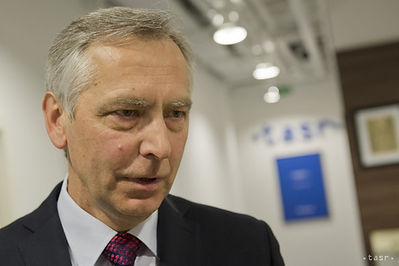
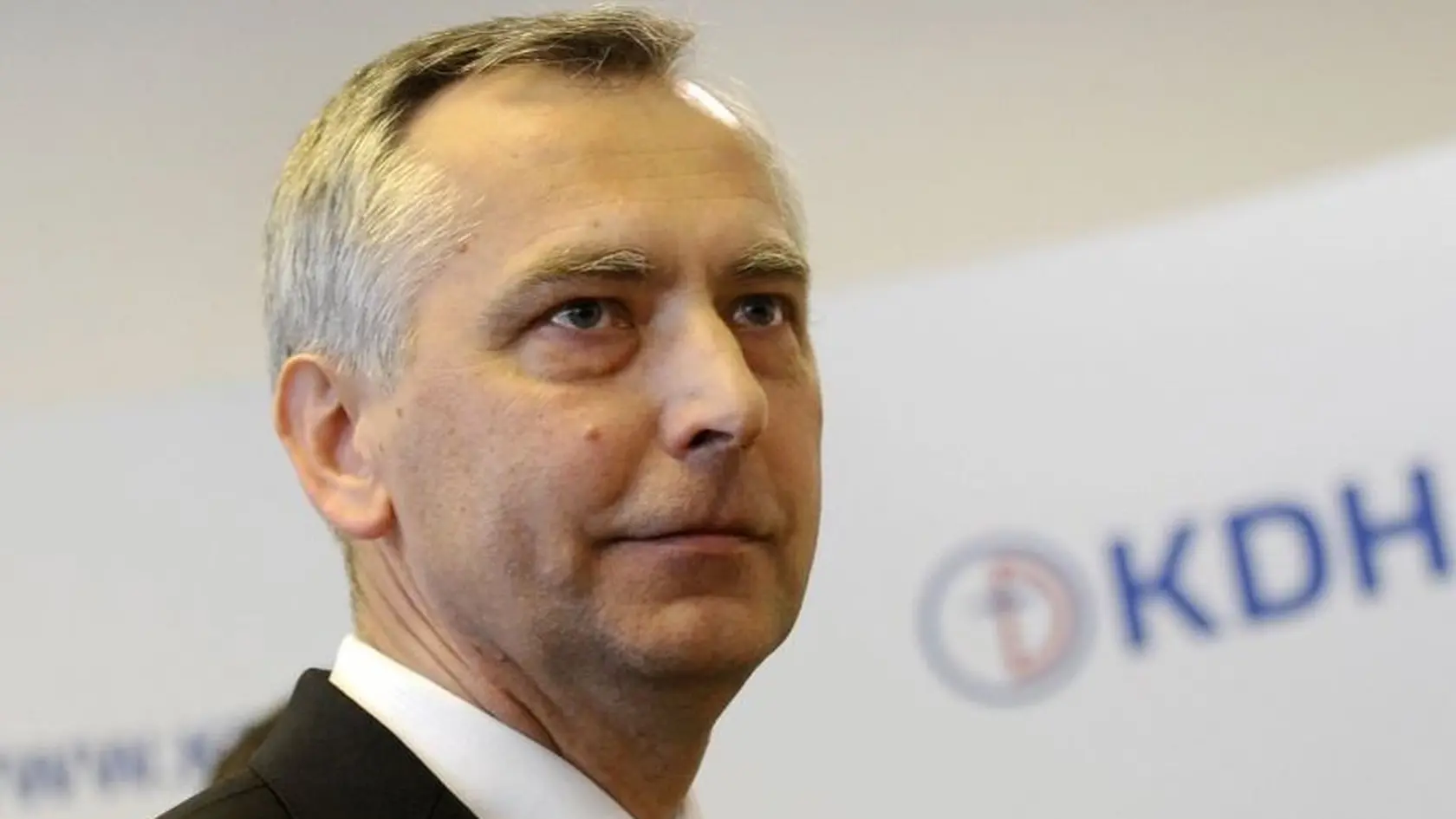
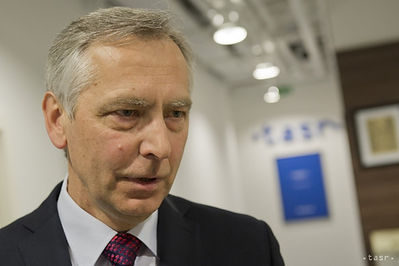
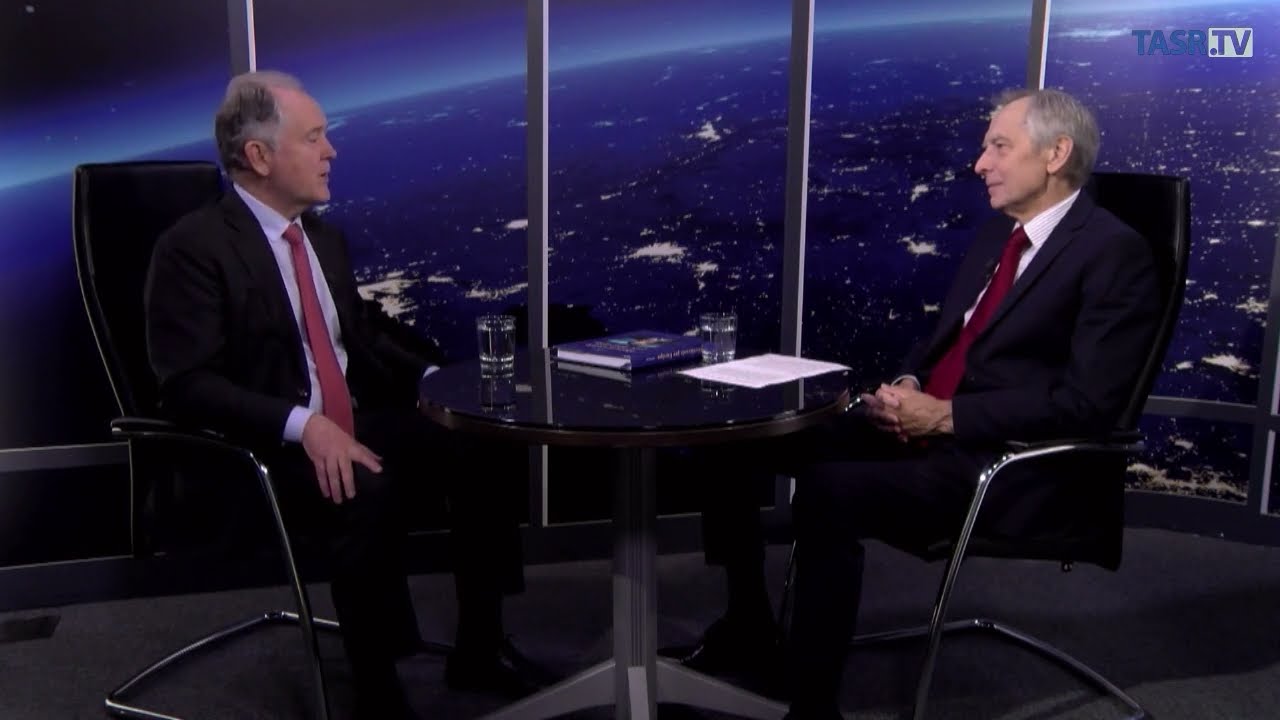
On the second day, the setting shifted to a monastery. After the formality of the ministry’s halls, the monastery offered a setting that recalled how long societies have grappled with questions of conscience and coexistence. Greg Mitchell and David Burrowes opened the sessions focused on civil society. Dr. Ján Figeľ, former EU Special Envoy for Freedom of Religion or Belief, spoke on human dignity. He has long insisted that there is “a very deep and strong nexus” between religious freedom and human dignity, and that “religious freedom is a litmus test of all human rights.” He noted that the concept of dignity appears repeatedly in the Universal Declaration of Human Rights and in the preamble of the UN Charter, and recalled earlier proposals—supported by Uruguay and Kenya—for a Human Dignity Day. He suggested the formation of a working committee involving FOREF Europe, the broader IRF community, and the Article 18 Alliance.
The proposal was characteristic of Figeľ’s approach, which treats dignity as a principle that institutions can put into practice. As he has put it, “If there is a meeting point between the religious and secular worlds, it is human dignity. For true peace, we must dig deeper: We are all different in identity, but we are equal in dignity.” He has also stressed that “true and lasting peace is a fruit of justice,” and that the core of justice rests on respect for fundamental human rights, of which FoRB is the most central. On another occasion he remarked simply, “I am neither optimistic nor pessimistic in my work. I stay determined.”
Other speakers also urged practical cooperation. Yves Ephrem, advisor to the Lebanese President on human rights and interfaith dialogue, argued that diversity is an asset that societies should nurture through equality and justice. He called for interreligious dialogue to lead to genuine partnership and go beyond public relations. Discussions on the Eurasia Task Force covered post-Soviet legacies, the relationship between government bodies responsible for religious affairs and religious communities, and the need for platforms that include officials, civil society, and faith actors. Several speakers warned that the language of religious freedom can be misused by authoritarian states to justify aggression and by actors within religious communities to suppress internal dissent.
These exchanges illustrated both the promise and the constraint of the format. The ministry hall had been full, and the hosts were welcoming throughout. Yet the absence of a larger number of ministers, and of government representatives from the Alliance’s own membership, limited the immediate political weight of the conclusions. The Alliance’s instruments—joint statements, bilateral demarches, multilateral coordination, training of officials, and support for civil-society networks—remain available. Their effectiveness depends on sustained engagement by member governments between conferences.
The Question of Visibility
A further limitation was the near-absence of mainstream media. Hardly any journalists were present. It is unclear whether this reflected a deliberate policy of limited media invitation or simply a lack of interest on the part of news organizations. Whatever the reason, an important conversation about resilience, cohesion, and freedom of religion or belief took place largely outside public view. In an era when the very concept of FoRB is contested and often misrepresented, greater media engagement would strengthen both the Alliance’s accountability and its capacity to shape broader understanding. One hopes that future conferences will make media engagement a priority.
A Brave and Still Incomplete Shift
The Article 18 Alliance is attempting a significant shift in religious freedom advocacy. It is asking governments and civil society to work together on prevention as well as responding to violations. That shift is still in its early stages. Educating and involving government officials, building FoRB literacy, and creating standing channels for coordination on issues such as online hate and cross-border humanitarian engagement are slower and less dramatic than issuing condemnations after violations occur. If sustained, these efforts stand a better chance of producing lasting results.
Smaller and less densely programmed than the annual IRF Summit in Washington, the Prague conference showed what a European capital with its own historical experience can contribute to a discussion among diplomats, experts, and communities. The Czech government’s willingness to invest in this format, and Amb. Řehák’s consistent stewardship, have given the Alliance a practical European anchor. Whether that investment translates into sustained policy change will depend on what member states and civil-society partners do with the relationships and ideas generated in the room.
In a period when many international human-rights mechanisms feel under strain, it matters that governments, experts, and communities are still willing to work together on freedom of religion or belief. Much of that work still lies ahead. By investing in prevention, education, and structured partnerships, the Alliance has chosen a direction that can help governments and communities act before violations occur. The dedications to victims at the start of each session served as a quiet reminder of why that direction still matters.
Related Links and Sources
- Conference programme
[High-Level Conference of the Article 18 Alliance – Common Action in a Fractured World] (https://www.iir.cz/en/high-level-conference-of-the-article-18-alliance-common-action-in-a-fractured-world-strengthening-resilience-and-cohesion-within-and-across-communities-1) (Institute of International Relations Prague) - [Conference page – Ministry of Foreign Affairs of the Czech Republic](https://www.mzv.cz/jnp/en/foreign_relations/freedom_of_religion_or_belief/international_religious_freedom_or.html)
- Article 18 Alliance / IRFBA
[Article 18 Alliance – Official website] (https://www.article18alliance.org/) - [International Religious Freedom or Belief Alliance – U.S. Department of State] (https://www.state.gov/international-religious-freedom-or-belief-alliance)
- [Aims and Priorities – Article 18 Alliance] (https://www.article18alliance.org/aims-and-priorities)Key figures and related initiatives
[Robert Řehák – X/Twitter] (https://x.com/Robert_Rehak)
– [Ján Figeľ – Official website] (https://janfigel.com/)
– [International Religious Freedom Summit] (https://irfsummit.com/)
– [IRF Secretariat] (https://www.irfsecretariat.org/)
Related posts:
 We need FoRB climate change!
 Persecution of Religious Minorities in the Middle East urges EU to act
 Figel’: “Action for Religious Freedom is a Moral Obligation”
 “Action for Religious Freedom is a Moral Obligation”
 Ján Figeľ: Religious freedom is a litmus test of all human rights
 Voluntary contribution to the French Constitutional Council defending the right of religious organisations not to accommodate the practice of euthanasia and assisted suicide